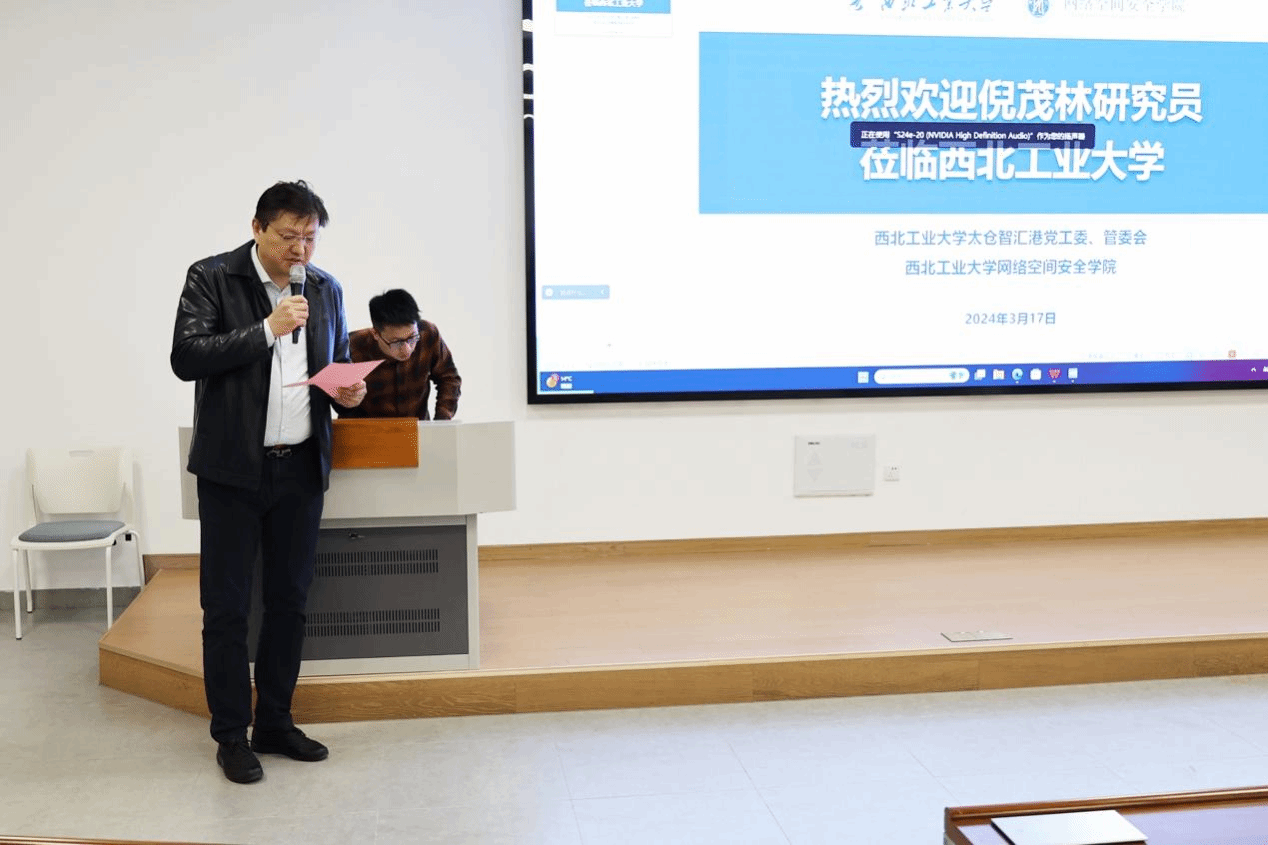
On March 17, to fully leverage the exemplary and leading role of advanced models, help faculty and students at Zhihui Port improve their scientific paper writing skills, broaden their research horizons, and promote the cultivation of professional ethics among teachers, the Zhihui Port Management Committee and the School of Cyberspace Security specially invited Researcher Ni Maolin from the Chinese Society of Astronautics to deliver an academic lecture on "Scientific Paper Writing and Academic Ethics." The event was hosted at Taicang Zhihui Port.
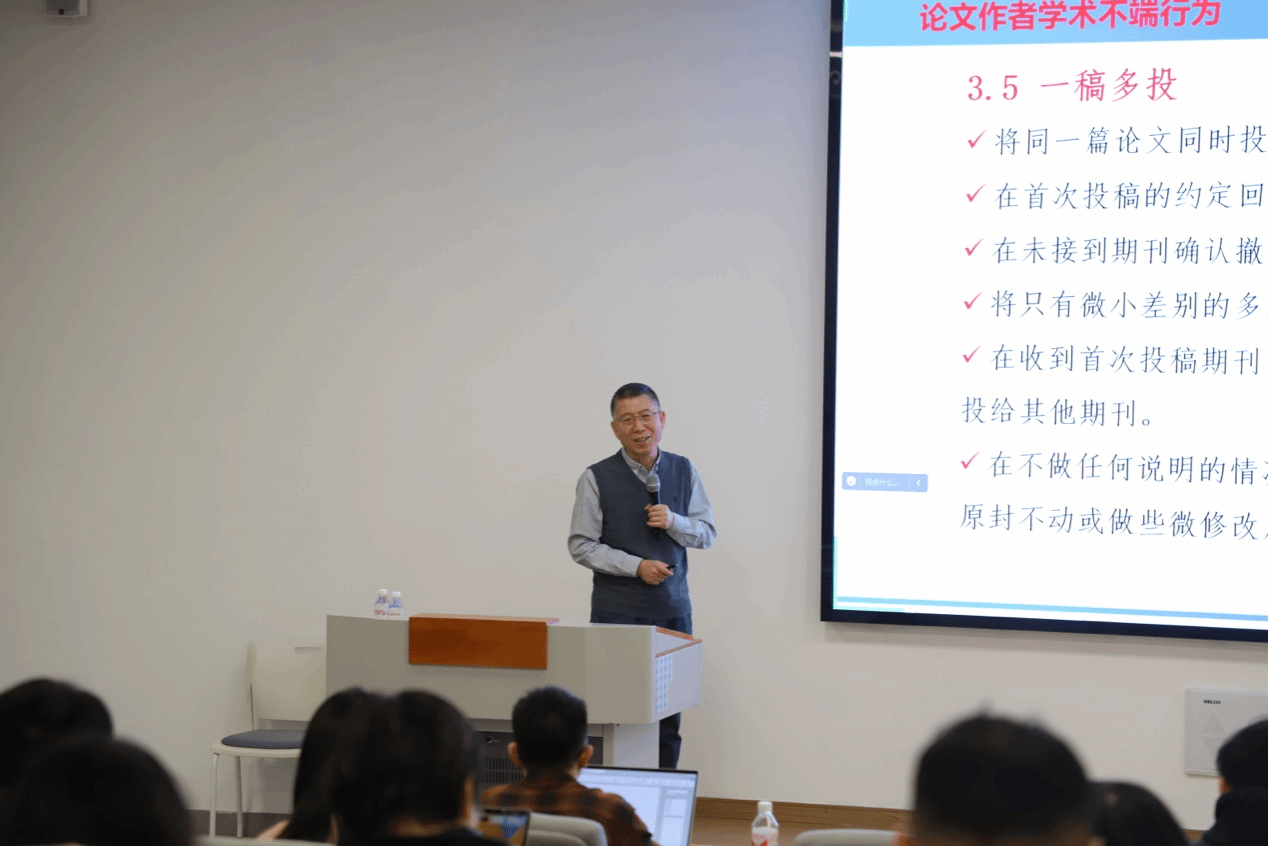
During the lecture, Researcher Ni provided a detailed interpretation of the country's latest policies on scientific research achievement evaluation and analyzed the harms and consequences of academic misconduct through specific cases. He urged the attending faculty and students to deeply contemplate the practical significance of the encouragement for researchers to "write papers on the land of the motherland," emphasizing the need for hard work and genuine scholarship. Researcher Ni stressed that scientific research integrity is not only crucial for individual academic development but also serves as an important safeguard for the healthy advancement of China's scientific and technological endeavors. In the process of conducting scientific research, it is essential to strictly adhere to relevant national laws, regulations, and academic ethics, uphold scientific truth, respect the academic tradition of rigor and practicality, and maintain scientific integrity.
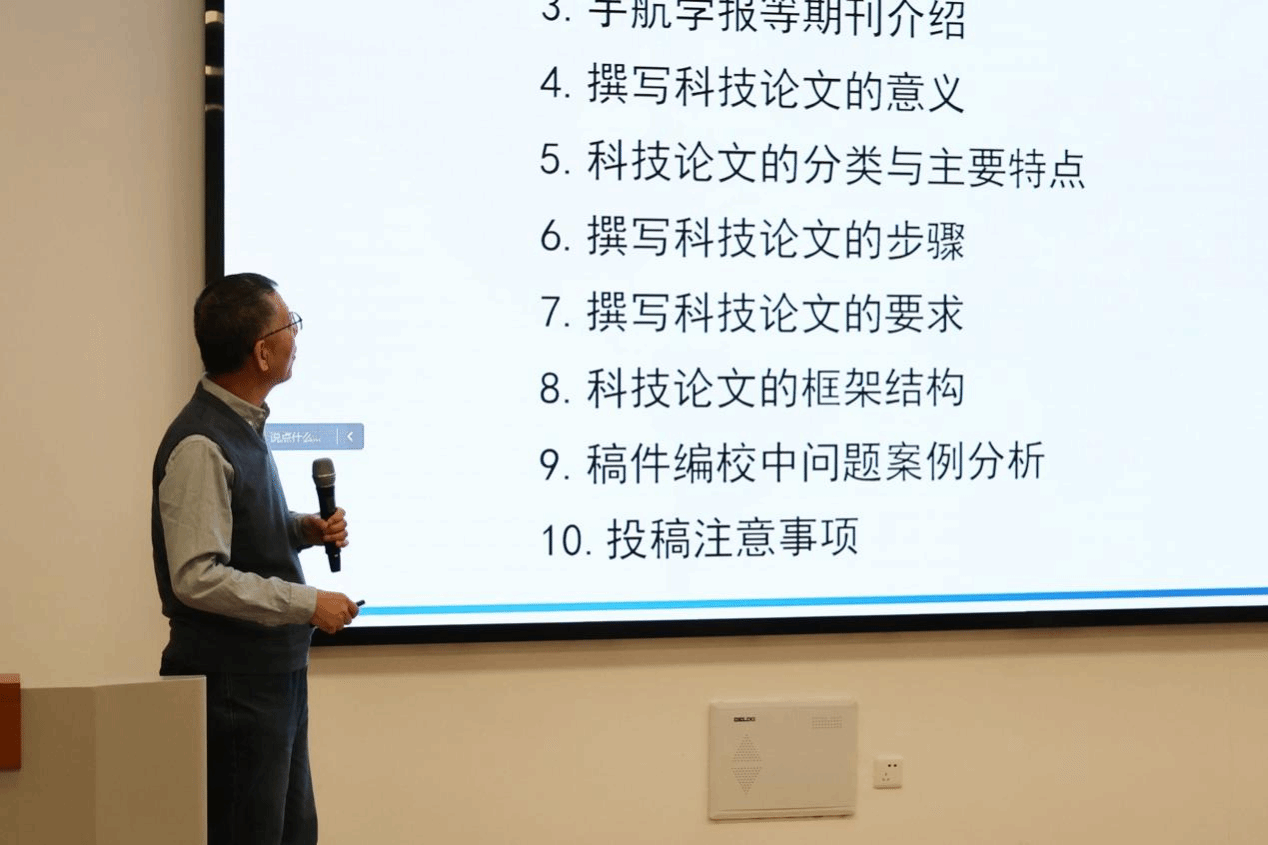
Regarding paper writing, Researcher Ni systematically explained the complete steps of writing a scientific paper, including topic selection, literature review, conceptualization, derivation and proof, simulation and validation, drafting, and finalizing revisions. He also elaborated on the classification, main characteristics, structural framework, and normative requirements of scientific papers. Drawing from his own experiences and insights, he shared tips and advice on writing scientific papers, suggesting that researchers seek out topics of scientific value and innovative significance in interdisciplinary areas. Additionally, Researcher Ni proposed solutions to common issues encountered during manuscript review, emphasizing that papers should possess innovation, reproducibility, readability, and standardization. He advised avoiding the introduction of general common knowledge, historical reviews, or repetitive textbook content, and stressed the importance of fully understanding the submission requirements and acceptance procedures of target journals, adhering to publication norms, and enhancing the quality of submissions.
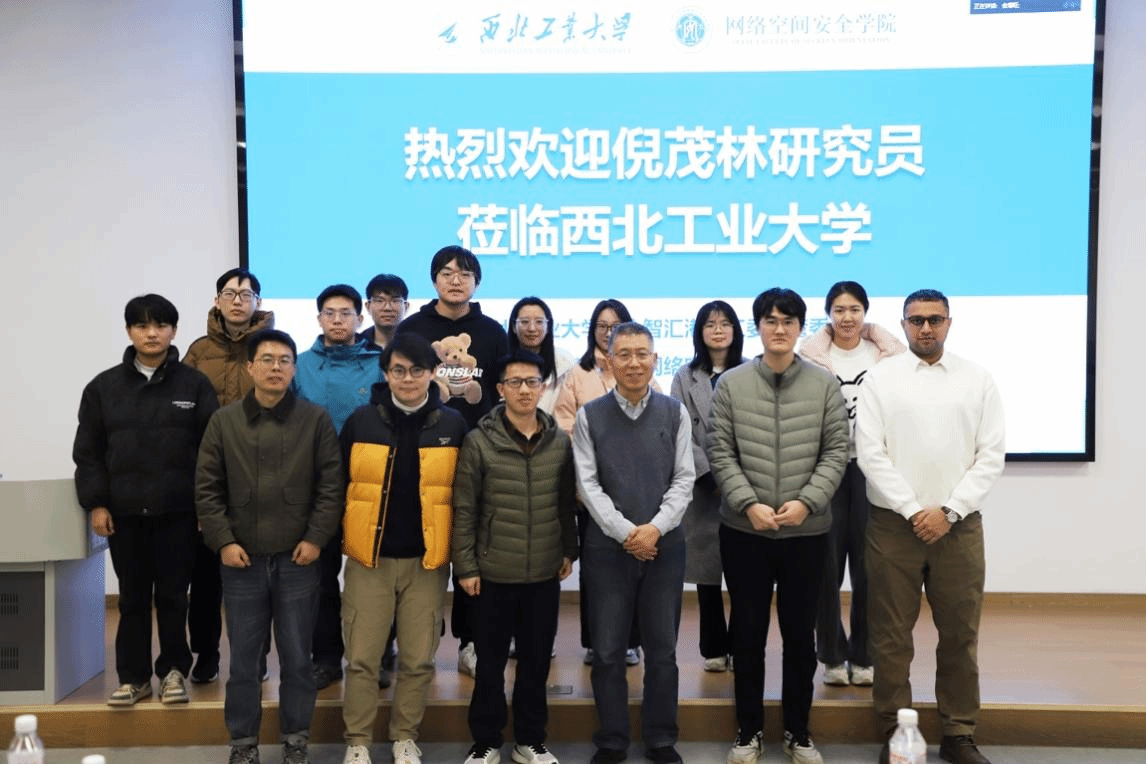
Faculty and students actively participated in interactive discussions. Researcher Ni patiently answered numerous questions regarding scientific paper writing and academic ethics, providing targeted suggestions based on different disciplinary characteristics and submission directions. Attendees widely agreed that the lecture was comprehensive, rigorous, and detailed. They expressed their intention to take this high-quality academic exchange as an opportunity to earnestly study and absorb Researcher Ni's valuable experience, strive to enhance their research capabilities and paper writing skills, adhere strictly to academic ethics, and contribute their efforts to building a strong nation in science and technology.
Ni Maolin is a researcher at the Chinese Society of Astronautics. He obtained his Ph.D. from the China Academy of Space Technology in 1992. From 1992 to 1997, he worked at the 502nd Institute of the Fifth Academy of Aerospace, engaging in satellite control system research. Between 1997 and 2004, he pursued further studies at the University of California and Nanyang Technological University in Singapore, conducting postdoctoral research on intelligent robotics and robust control. From 2004 to 2010, he was engaged in research on intelligent control technology at the 502nd Institute of the Fifth Academy of Aerospace.
Since 2010, he has been involved in the editing and publishing of the Journal of Astronautics at the Chinese Society of Astronautics. He has published over 80 papers in well-known journals and conferences such as Automatica, Acta Automatica Sinica, and Journal of Astronautics. From 2011 to 2024, he served as the Deputy Editor-in-Chief of the Journal of Astronautics, and from 2015 to 2024, he held the position of Deputy Editor-in-Chief of Acta Automatica Sinica. He currently serves as the Executive Editor-in-Chief of the Journal of Deep Space Exploration and Aerospace Control, and is an editorial board member for journals including Acta Automatica Sinica and Spacecraft Engineering. He is also a part-time professor at Nanjing University of Aeronautics and Astronautics, a project review expert for the National Natural Science Foundation of China, a recipient of the Outstanding Young Scientific and Technological Talent Award, a financial project review expert, and a consulting expert for the Chinese Academy of Engineering.

